
Traditional landline systems are becoming obsolete as businesses transition to more cost-effective, flexible, and scalable solutions like Voice over Internet Protocol (VoIP). As we move into 2025, VoIP is not just an alternative to traditional phones—it is the future of business communication.
With rapid advancements in Cloud technology, Artificial Intelligence (AI), and 5G networks, VoIP is transforming how businesses manage customer interactions, team collaborations, and remote work.
This guide by White Label Service Desk explores the benefits, features, trends, and implementation strategies for VoIP phone systems, helping businesses make an informed decision for their communication needs.
What is VoIP and How Does it Work?
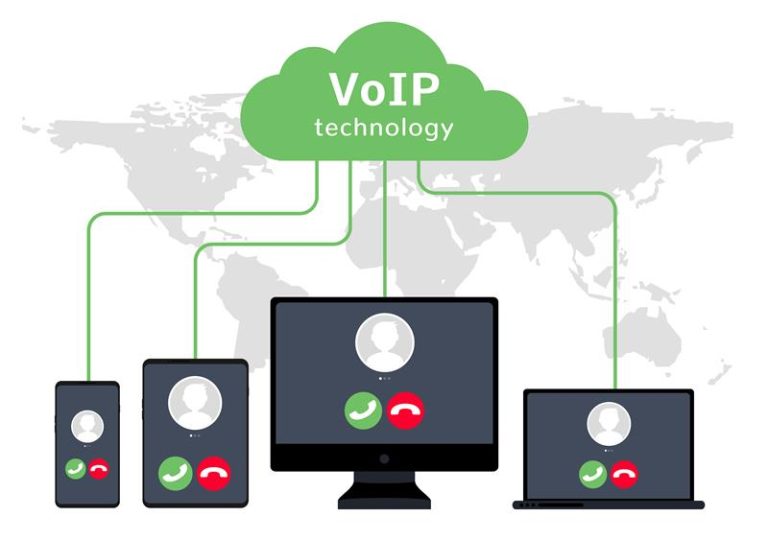
VoIP (Voice over Internet Protocol) is a technology that allows voice calls to be transmitted over the internet instead of traditional telephone lines. It converts analog voice signals into digital packets, which are then sent over the internet to the recipient.
Unlike traditional PBX (Private Branch Exchange) phone systems, which require expensive hardware and dedicated phone lines, VoIP allows businesses to make calls using computers, VoIP desk phones, or mobile devices.
Types of VoIP Implementations
- Cloud-Based VoIP (Hosted VoIP) – The VoIP provider manages all infrastructure and services in the cloud. Businesses only need an internet connection and VoIP-compatible devices.
- On-Premises VoIP – Businesses manage VoIP hardware and software within their internal IT infrastructure.
- Hybrid VoIP – A combination of cloud-based and on-premises systems for businesses that require customization and control while leveraging the cloud’s flexibility.
Key Benefits of VoIP for Businesses
1. Significant Cost Savings
Traditional phone lines come with high setup, maintenance, and international calling costs. With VoIP, businesses can:
- Save up to 75% on communication costs
- Make free internal calls within offices
- Reduce international call charges by up to 90%
2. Flexibility and Remote Work Enablement
With VoIP, employees can make and receive calls from anywhere, using their laptops or mobile phones. This is especially useful for:
- Remote teams and hybrid work models
- Businesses with multiple office locations
- Customer service centers operating across different time zones
3. Scalability for Growing Businesses
VoIP systems easily scale to accommodate business growth. Unlike traditional PBX, where adding phone lines requires physical installations, VoIP allows businesses to:
- Instantly add new users and extensions
- Expand phone systems without hardware investments
4. Advanced Communication Features
VoIP comes with enterprise-grade features that traditional phones lack:
- Auto-attendant – Directs callers to the right department automatically
- Call forwarding – Routes calls to mobile devices or secondary numbers
- Voicemail-to-email – Sends voicemail messages directly to email inboxed
- Call analytics – Provides real-time data on call volume, duration, and customer interactions
5. Integration with Business Tools
VoIP seamlessly integrates with CRM, helpdesk software, and collaboration tools like:
- Salesforce & HubSpot CRM – Automatically logs call data for customer insights
- Microsoft Teams & Slack – Enhances team collaboration
- AI-driven chatbots – Automates customer service interactions

Future of VoIP: Trends to Watch in 2025
As technology continues to evolve, VoIP systems are becoming smarter, faster, and more reliable. Here are key trends shaping the VoIP landscape in 2025:
1. AI-Powered VoIP Systems
AI integration in VoIP is revolutionizing customer service and call management by offering:
- AI-driven call transcription for real-time insights
- Automated customer support bots that handle basic queries
- Smart call routing to connect customers with the most relevant agents
2. 5G-Enabled VoIP Communications
With 5G networks expanding globally, VoIP call quality will dramatically improve. Reduced latency, faster speeds, and more reliable connections will enable:
- High-definition voice and video calls with zero lag
- Enhanced VoIP performance in remote and mobile work environments
3. Increased Adoption of Cloud-Based VoIP
By 2030, VoIP is expected to power 90% of all business communication. Cloud-based VoIP solutions are gaining traction due to:
- Lower IT maintenance – No need for expensive on-premises infrastructure
- Automatic software updates for security and new features
4. Stronger VoIP Security Measures
With cyber threats on the rise, VoIP providers are implementing robust security protocols, including:
- End-to-end encryption to prevent call interception
- Multi-factor authentication (MFA) for access control
- AI-driven fraud detection to identify and block suspicious calls
How to Successfully Implement VoIP in Your Business
Transitioning to VoIP requires a strategic approach to ensure seamless adoption. Follow these steps:
1. Assess Your Business Communication Needs
- Evaluate your call volume, locations, and required features
- Identify pain points with your current phone system
2. Choose the Right VoIP Provider
Consider factors like:
- Reliability & Uptime – Look for 99% uptime guarantees
- Scalability – Ensure it supports future growth
- Security Measures – Check for encryption and fraud protection
3. Upgrade Your Internet Infrastructure
VoIP relies on a stable internet connection. Ensure your business has:
- Sufficient bandwidth for high-quality calls
- QoS (Quality of Service) settings to prioritize VoIP traffic
4. Train Employees and Ensure Smooth Adoption
- Educate teams on VoIP features and functionalities
- Provide hands-on training for VoIP desk phones, softphones, and mobile apps
Why Businesses Must Embrace VoIP in 2025
VoIP is no longer an optional upgrade—it is the future of business communication. With benefits like cost savings, flexibility, scalability, and AI-powered innovations, VoIP empowers businesses to stay competitive in a digital-first world.
As 5G, AI, and cloud computing continue to evolve, businesses that embrace VoIP now will gain a significant edge over competitors.
Contact White Label Service Desk Today
As VoIP technology continues to evolve, businesses need expert guidance and tailored solutions to maximize its potential.
Contact White Label Service Desk today to explore the best VoIP solutions for your business and take your communication strategy to the next level.


